
Robinhood Blockchain Mainnet Launch Marks a Turning Point for Retail Finance
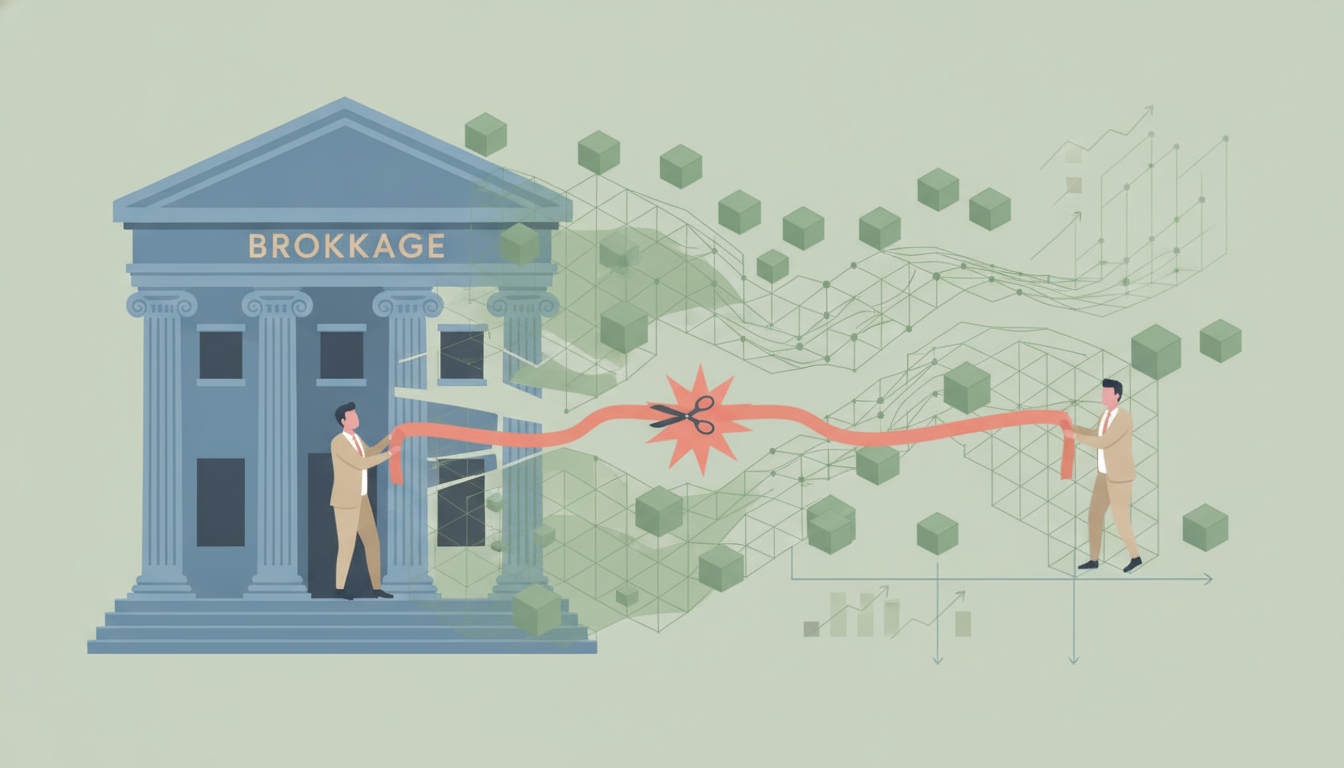
The Robinhood blockchain mainnet launch is not just another Layer 2 rollout — it is a direct challenge to the architectural assumptions of traditional brokerage. On July 1, 2026, Robinhood flipped the switch on a public blockchain network that brings tokenized stocks, perpetual futures, and DeFi infrastructure under one retail-friendly roof. If this works at scale, the implications stretch well beyond crypto Twitter.
What Happened: Robinhood Chain Goes Live
Robinhood officially opened its public mainnet to users, completing a transition from months of closed testing into a live, permissionless network. The chain is built on Arbitrum’s technology stack, making it an Ethereum Layer 2 — inheriting Ethereum’s security guarantees while dramatically reducing gas costs and transaction times.
According to The Block, Robinhood Chain launched with a notable day-one partner list — Uniswap is integrated from the start, lending immediate decentralized liquidity depth to the new network. The platform also debuts Lighter-powered perpetuals trading and, critically, 24/7 tokenized stock trading. That last feature alone removes one of traditional equities’ most persistent friction points: market hours.
Decrypt described the network as “AI-native,” pointing to planned agentic trading capabilities — essentially AI-driven automation that executes trades on behalf of users within programmable parameters. This is not a feature live at launch, but its roadmap placement signals where Robinhood sees the competitive frontier moving.
The DeFi product suite announced alongside the mainnet includes a broader set of tools, and Cointelegraph highlighted that Robinhood simultaneously announced plans to bring crypto trading to UK residents, underscoring that this mainnet is a global expansion play, not a domestic product refresh.
CoinDesk framed the launch as part of Robinhood’s deepening commitment to crypto infrastructure — the company is no longer treating digital assets as a secondary revenue line but as a foundational product layer.

Why It Matters: The Brokerage and Blockchain Worlds Are Merging
The significance of the Robinhood blockchain mainnet launch is best understood in structural terms. Traditional brokerages hold assets in custodial silos. Settlement is slow, hours are limited, and retail users have zero access to the composability that DeFi protocols enjoy. Robinhood Chain, if it achieves meaningful adoption, collapses that separation.
Tokenized stocks trading around the clock on a public blockchain means a user could, in theory, use their Apple or Tesla position as collateral in a DeFi protocol — something structurally impossible under legacy brokerage infrastructure. That composability is the unlock that institutional DeFi advocates have been arguing about for years. Robinhood is bringing it to an audience of tens of millions of retail accounts.
The Uniswap integration is particularly telling. Rather than building proprietary liquidity from scratch, Robinhood is plugging into existing DeFi depth on day one. That is a pragmatic, interoperability-first design choice — and it signals that Robinhood sees itself as a node in the broader DeFi ecosystem, not a walled garden.
For traders evaluating where to deploy capital and which platforms to trust with evolving product stacks, our exchange reviews and comparisons break down which platforms are genuinely building versus rebranding.
Market Context: Crypto Under Pressure as Robinhood Bets Long
The mainnet launch arrives during a soft patch in broader crypto markets. Bitcoin is trading at $60,687, down 2.76% over the past 24 hours. Ethereum sits at $1,627.91, off 2.4%, while Solana has pulled back 3.79% to $77.96. None of these numbers scream bull market confidence in the short term.
That context matters for how this launch will be received. Robinhood is making a multi-year infrastructure bet at a moment when retail sentiment is cautious and token prices are compressing. That is either brave timing or a sign that the company is building for a cycle beyond the current one — likely both. Major infrastructure launches historically take 12 to 24 months to demonstrate real traction regardless of the price environment at launch.
Ethereum’s position is especially relevant here. As the security layer underlying Robinhood Chain, ETH’s health directly affects the cost and reliability of the network. At current prices, gas economics favor users — low ETH price means cheap Layer 2 transactions — but it also reflects a market that has not yet re-rated the value of Ethereum’s expanding application layer.

What Different Outlets Are Saying
The Block: Infrastructure and Partners First
The Block’s coverage led with the technical architecture and partnership stack — Arbitrum, Uniswap, Lighter — treating this primarily as an infrastructure story. Their framing positions Robinhood Chain as a serious DeFi entrant, not a marketing exercise. The emphasis on agentic trading as a planned feature suggests The Block sees AI-driven automation as the genuinely novel competitive angle here.
Decrypt: The AI-Native Angle
Decrypt leaned hardest into the “AI-native” positioning, giving significant weight to the agentic trading roadmap. This framing appeals to a readership that follows crypto-AI convergence closely. It also implicitly raises the stakes — if Robinhood executes on autonomous AI trading at retail scale, competitors will face pressure to respond on a timeline they may not control.
Cointelegraph: Global Expansion as the Real Story
Cointelegraph treated the UK crypto trading announcement as co-equal news alongside the mainnet launch, which is a reasonable editorial call. The UK market has historically been underserved by major U.S.-headquartered exchanges due to regulatory complexity. Robinhood signaling a push there suggests regulatory confidence and ambition that goes beyond the blockchain product itself.
CoinDesk: Strategic Depth
CoinDesk framed the launch within Robinhood’s broader strategic evolution — a company that started as a disruptor of stock commissions and is now building public blockchain infrastructure. That macro narrative is the most analytically useful frame for long-term observers: Robinhood is not diversifying into crypto, it is restructuring its core product around blockchain rails.
Trader Takeaway
The Robinhood blockchain mainnet launch is the most credible attempt yet by a mainstream brokerage to natively merge TradFi asset access with DeFi composability — and traders should watch the tokenized stock liquidity metrics closely over the next 90 days to determine whether the product has real depth or just good press. If you are actively comparing platforms and referral incentives ahead of any account moves, our current exchange referral offers are worth reviewing before committing capital to any single venue. The broader competitive pressure this launch creates on incumbent crypto exchanges is real, and fee structures across the industry may shift as a result.
Popular Exchange Referral Codes
- Bybit Referral Code 2026: Get 20% Fee Discount for 90 Days with Code 19670
- Bitget Referral Code 2026: Get 20% Trading Fee Discount with Code t4685009
- OKX Referral Code 2026: Get 20% Trading Fee Discount with Code 64912533
- HTX Referral Code 2026: Get 20% Trading Fee Discount with iddq7223
- Gate.io Referral Code 2026: Get a 20% Trading Fee Discount with Code NZRAPCBW


