

The BlackRock Bitcoin ETF just had one of its strongest weeks in months — and the firm isn’t done pushing. On the same day IBIT pulled in a reported $665 million in a single session, BlackRock quietly filed paperwork with the SEC for a third Bitcoin fund, this one designed to cushion downside risk using an options-based strategy. Two moves, one day, one unmistakable message: BlackRock is not treating Bitcoin as a side experiment.
IBIT Carries the Entire Market on Its Back
Let’s start with the flow numbers, because they’re striking. According to Decrypt, U.S. spot Bitcoin ETFs collectively took in $526.7 million on Monday — their best single day since September 22. That sounds like a broad market rally until you realize that BlackRock’s IBIT supplied essentially all of it, while Fidelity and Grayscale products were actually bleeding outflows. One fund holding up an entire product category isn’t dominance, it’s a near-monopoly on institutional conviction.
CoinDesk’s reporting frames the day similarly — IBIT was the engine, full stop. What’s worth underlining is what this says about the competitive landscape. The ETF race was supposed to democratize Bitcoin access across multiple issuers. Instead, we’re watching capital consolidate into one product with a relentlessness that would make any index fund manager jealous. Fidelity’s FBTC is a good product. Grayscale’s converted trust has structural baggage, sure, but even correcting for that, the gap is widening. BlackRock is winning this category in a way that is starting to look definitive.

The Buffer ETF Filing: Who Is This Actually For?
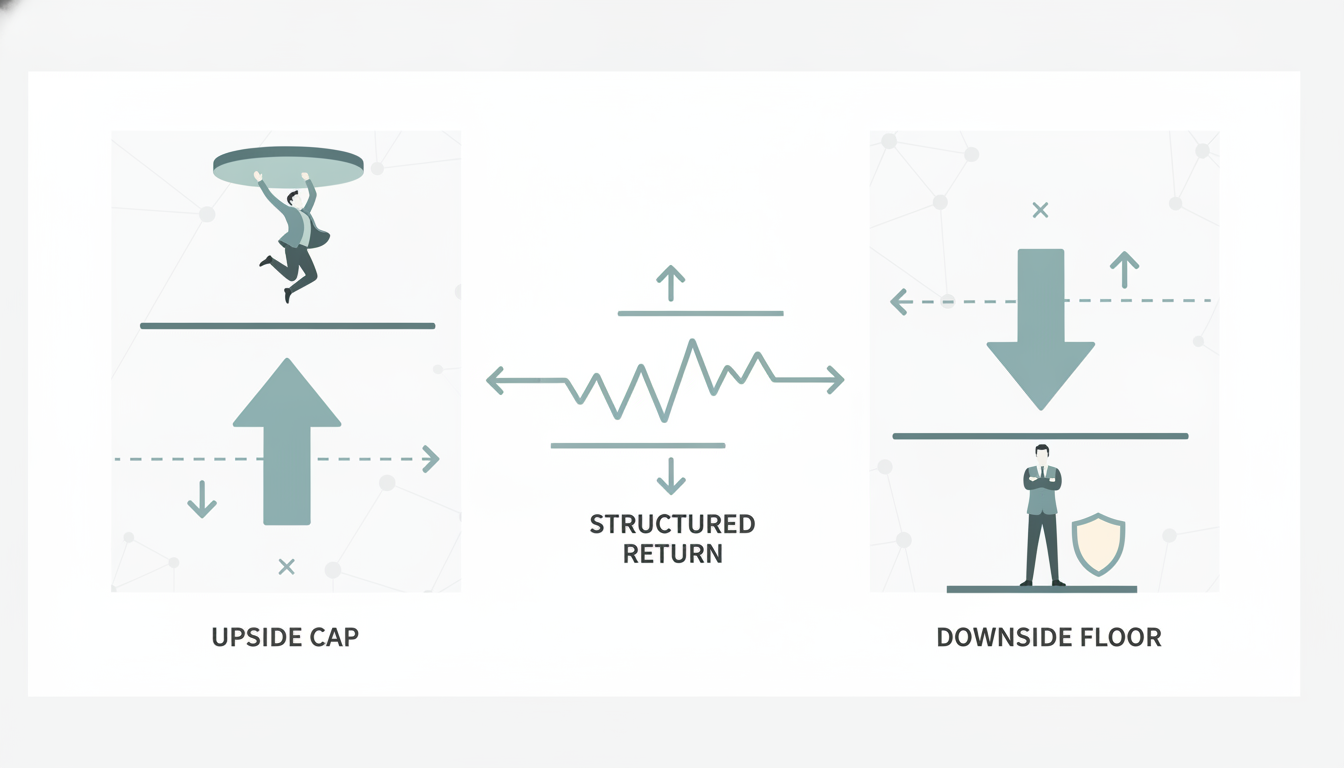
The more interesting story — and the one the market will be debating for the next several weeks — is the new SEC filing for the iShares Bitcoin Managed Protection ETF, which Cointelegraph was among the first to detail. The proposed fund would use options on IBIT itself to create a buffer against losses, trading away some potential upside in exchange for downside insulation. Bitcoin Magazine noted that the structure offers “downside protection but also caps gains” — the classic options collar, dressed up in ETF clothing.
The timing isn’t accidental. CoinDesk’s markets desk points out that BlackRock is entering this space after watching a rival fund survive a 50% Bitcoin drawdown — which is exactly the kind of real-world stress test that convinces institutional allocators to take structured products seriously. A 50% crash is a rounding error in Bitcoin’s history, but it’s a career-ending event for a pension fund manager who put 2% of a portfolio into spot BTC without any hedge. The buffer ETF targets that person specifically.
CryptoPotato frames this as BlackRock entering a race that other issuers have already started — and that framing is correct. Innovator and Calvert have been running buffered equity ETFs for years. Applying the same playbook to Bitcoin is a logical extension, not an innovation. The real question is whether institutional buyers actually want capped upside on an asset they’re still in the process of sizing into their portfolios. I’m not convinced the demand is there yet — but BlackRock clearly thinks it is, and they have better flow data than any of us.
What the Options Structure Actually Means for Returns
Here’s where I want to push back a little on the hype framing. Buffer ETFs make intuitive sense on a whiteboard: you sacrifice some gains to protect against catastrophic losses. In practice, the calculus is brutal if you’re early in an asset’s appreciation cycle. Bitcoin is trading around $83,100 as this is written — still well below all-time highs, still in a phase where long-term holders are accumulating, not reducing risk. Buying a capped-upside product on Bitcoin right now means you’re paying a structural premium to protect against drawdowns precisely when the risk/reward on the raw exposure is arguably most favorable.
That said, I understand the client base this is targeting. There are allocators who cannot hold unhedged Bitcoin regardless of the thesis — their investment policy statements simply won’t allow it. For them, a buffer ETF isn’t a trade-off, it’s an access point. If this product clears SEC review and launches, it will pull in a segment of capital that was never going to touch IBIT directly. That’s additive to the market, not cannibalistic.
For traders actively managing positions on spot exchanges, structured products like this are largely irrelevant to your day-to-day. But they matter for macro price dynamics — every dollar that flows into an options-based ETF eventually touches the underlying derivatives market, which affects funding rates, volatility surfaces, and ultimately spot price behavior. If this fund scales, options desks will need to delta-hedge, and that mechanical flow becomes part of Bitcoin’s price structure. Worth watching, even if you never touch the ETF itself. If you’re looking to trade around these institutional flows, it’s worth comparing current exchange referral offers — fee structures matter more than people admit when you’re trading reactive momentum.
BlackRock’s Third Bitcoin Filing and What’s Still Missing
One detail that deserves more attention: this is BlackRock’s third Bitcoin ETF filing. They have IBIT (spot), they have a Bitcoin strategy product, and now this. Yet as Cointelegraph explicitly flags, there is still no Solana or XRP ETF filing from BlackRock. SOL is sitting around $106 and XRP has been in regulatory limbo long enough to grow a beard. The absence isn’t an accident — BlackRock files products it believes will gain regulatory clearance. The fact that they keep returning to Bitcoin tells you everything about where they assess SEC risk right now. Altcoin ETFs are someone else’s problem for the moment.
The broader picture here is an asset manager methodically building a product suite around a single underlying asset. Spot exposure, then structured protection, then whatever comes next — probably income-generating strategies using covered calls. This is how BlackRock operates in traditional markets, and they’re running the same playbook on Bitcoin. The pace is faster than most expected, and the inflow numbers suggest the market is rewarding them for it. Stay current with crypto news and analysis as the SEC review process on the buffer filing unfolds — approval timelines in this environment are genuinely unpredictable.
My Actual Take: Follow the Product Roadmap, Not the Headlines
The $665 million inflow day is a great headline and it reflects real institutional demand, but the buffer ETF filing is the more strategically significant event. It tells you BlackRock is building for durability — they want clients who will hold through the next 50% crash, not clients who panic-sell at minus 20% and blame the product. Every new structured offering they build is a retention mechanism, not just a fundraising vehicle.
If you’re a Bitcoin holder watching this unfold, the correct read is constructive. Large-scale institutional infrastructure doesn’t get built for assets that people expect to go to zero. But don’t mistake product expansion for a short-term price catalyst. The buffer ETF won’t launch tomorrow, it’ll take months of SEC review, and even then the initial AUM will likely be modest. The real inflection point is when these products normalize Bitcoin in 60/40 portfolios the same way TIPS or commodity funds have been normalized. We’re not there yet — but the direction of travel is unmistakable.
My risk flag: if Bitcoin sees a sharp leg down before the buffer ETF launches, the narrative around ‘downside protection products’ could actually accelerate inflows into IBIT as a perceived safe entry, creating a self-reinforcing flow dynamic. The irony of a hedged product improving sentiment for the unhedged one is very much a BlackRock kind of outcome.
Popular Exchange Referral Codes
- Bybit Referral Code 2026: Get 20% Fee Discount for 90 Days with Code 19670
- Bitget Referral Code 2026: Get 20% Trading Fee Discount with Code t4685009
- OKX Referral Code 2026: Get 20% Trading Fee Discount with Code 64912533
- HTX Referral Code 2026: Get 20% Trading Fee Discount with iddq7223
- Gate.io Referral Code 2026: Get a 20% Trading Fee Discount with Code NZRAPCBW
