

Crypto-stealing malware planted across 178 major websites — including Ledger, HSBC, and the BBC — is the kind of supply-chain attack that should make every crypto user rethink how much they trust a familiar domain name. This wasn’t a phishing site with a misspelled URL. These were real, legitimate websites that got quietly poisoned at the infrastructure level, turning routine site visits into potential theft events.
How Crypto-Stealing Malware Hit 178 Websites at Once
The attack vector here is what security researchers call a supply-chain compromise. Rather than breaking into 178 organizations individually — which would be slow, noisy, and expensive — the attackers targeted a shared third-party script or service that many of these sites loaded from a common source. Compromise one upstream provider, and you get access to every downstream site that trusts it. It’s efficient, scalable, and devastating.
According to Cointelegraph, Ledger and Coinpass were among the businesses whose sites actively served malware designed to steal both crypto wallet data and credit card details from visitors. That combination — crypto and card theft — tells you this wasn’t a narrowly targeted crypto operation. The attackers were maximizing yield across any financial data they could capture.
What makes the Ledger inclusion particularly galling is the irony. Ledger is literally a hardware wallet company — a business whose entire value proposition is protecting your crypto from exactly this kind of threat. If your users can’t trust your own website, you have a credibility problem that goes beyond a typical data breach.

The Part That Should Concern Crypto Traders Most
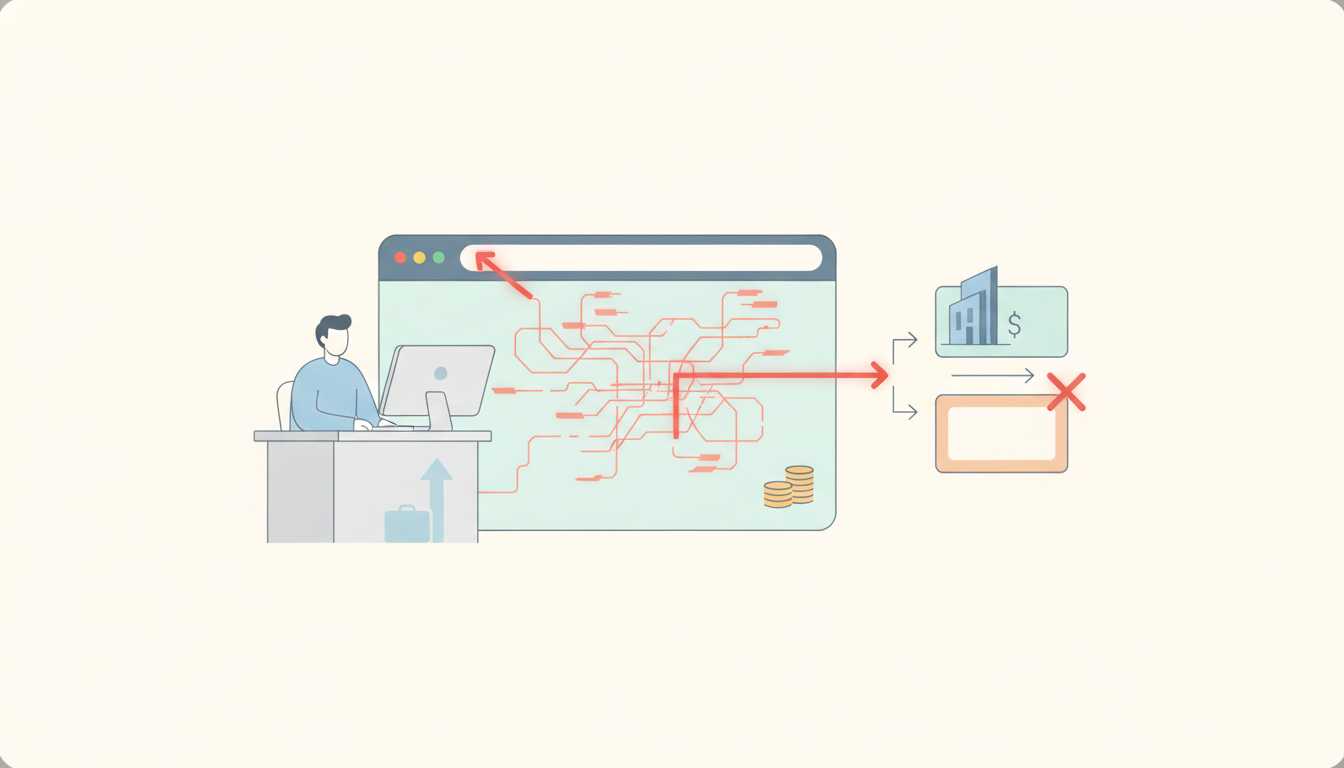
CryptoSlate reported that security firm Hudson Rock described malicious code capable of changing a payment destination before a transaction is signed. Let that sink in. You’re on a legitimate website, you initiate what looks like a normal transaction, and the malware silently swaps the recipient address in the background before you confirm. Your hardware wallet shows you a different address than what you intended. Unless you’re the type to manually verify every character of an on-chain address — and statistically, almost nobody does — you’d never catch it.
This is a materially different threat model from the typical “your seed phrase got phished” scenario. This attack doesn’t need your private keys. It intercepts the intent before the keys are ever involved. Report URI, a web security monitoring service, independently flagged Ledger’s website in its sample of affected domains, adding third-party corroboration to what could otherwise be dismissed as sensationalism.
Meanwhile, CoinDesk noted the breadth of the victim list extends well beyond crypto-native companies — HSBC and the BBC were both named, which signals that the attackers weren’t specifically hunting crypto users. They were hunting everyone, and crypto happened to be the most liquid, least reversible thing they could steal in the process.
Why “Just Use a Hardware Wallet” Is No Longer Enough Advice
The hardware wallet community has spent years building the narrative that cold storage is the gold standard of protection. And it still is — against most attack classes. But this incident exposes a gap that the community hasn’t fully addressed: the browser interface layer.
Your Ledger device doesn’t protect you if the website constructing the transaction is already compromised. The signing layer is clean; the data being sent to it isn’t. This is why some security researchers have been pushing for hardware wallets with richer display capabilities and mandatory address verification UI — not because seed phrases are at risk, but because the transaction construction environment is increasingly hostile.
For traders actively moving funds through web interfaces — which is essentially everyone using DeFi, NFT marketplaces, or even reputable crypto services — the standard workflow of “connect wallet, approve, sign” now carries a risk that no amount of hardware wallet branding can fully cover.
What This Means for How You Use Crypto Services Right Now
Practically speaking, the immediate response isn’t panic — it’s process. A few adjustments worth making today:
- Always verify the destination address on your hardware wallet screen, not just in the browser. Character by character if the amount is significant. Yes, this is tedious. Do it anyway.
- Treat browser-based transaction flows with the same skepticism you’d apply to email links. Even familiar, bookmarked sites can be temporarily compromised.
- Consider using a dedicated browser profile or even a separate device for crypto transactions — one that isn’t loaded with extensions and cached sessions from general browsing.
- Watch for transaction simulation tools that have become standard in some wallet UIs. They show you what a transaction will actually do before you sign — a meaningful safeguard against destination-swapping malware.
For those using centralized exchanges rather than self-custody, the exposure here is somewhat different — you’re not signing on-chain transactions through a browser in the same way. But the credit card theft component means anyone who inputs payment info on an affected site is at risk regardless of whether they hold crypto. Keep tabs on the latest crypto security developments as the full victim list and cleanup timeline becomes clearer.
If you’re evaluating which platforms to trust with funds in the meantime, it’s worth checking current exchange referral offers that come with established security track records — institutional-grade custody infrastructure at major exchanges is a meaningfully different risk profile than a web script that got quietly poisoned.
My Take: The Attack We Should Have Seen Coming
I’ve been covering crypto security incidents long enough to recognize when an attack is genuinely novel versus when it’s a known threat that the industry simply chose not to prioritize. This one is firmly in the second category. Supply-chain attacks on web scripts aren’t new — the Magecart group was running card-skimming operations through compromised JavaScript dependencies back in 2018. The crypto industry borrowed all the browser infrastructure from web2 without inheriting the security culture that (slowly, painfully) built up around it.
The fact that Ledger — a company that sells trust — ended up on this victim list is an indictment of how the industry still hasn’t closed the loop between hardware security and web security. Hardware wallets are excellent products. But if the company making them can’t secure its own website against a third-party script injection, then the gap in the security story is obvious and needs to be said plainly.
What I’d actually watch for: whether affected companies disclose the specific third-party provider that was the initial compromise vector. That information determines whether this is a contained incident or a persistent risk. If that upstream provider is still trusted by other sites that haven’t yet been identified, the 178-site count is a floor, not a ceiling. I wouldn’t treat this as resolved until there’s a named root cause, a confirmed patch, and independent verification. Anything less is PR, not security.
Popular Exchange Referral Codes
- Bybit Referral Code 2026: Get 20% Fee Discount for 90 Days with Code 19670
- Bitget Referral Code 2026: Get 20% Trading Fee Discount with Code t4685009
- OKX Referral Code 2026: Get 20% Trading Fee Discount with Code 64912533
- HTX Referral Code 2026: Get 20% Trading Fee Discount with iddq7223
- Gate.io Referral Code 2026: Get a 20% Trading Fee Discount with Code NZRAPCBW
