
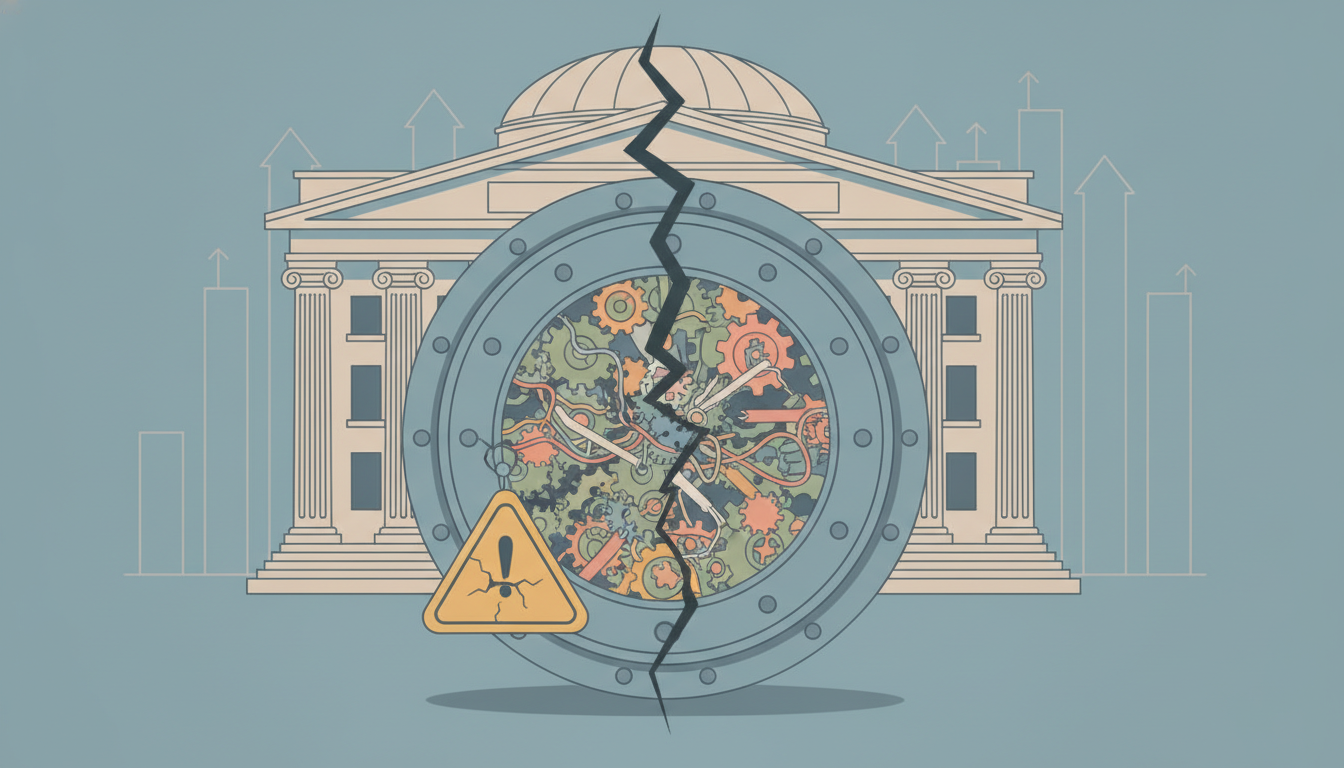
The CoinDCX $16 million loss didn’t come from a sophisticated exploit or a state-sponsored hack. It came from a retired wallet — the kind of internal housekeeping failure that should have been caught by basic operational controls. That’s what makes this story more uncomfortable than a clean hack narrative, and why India’s crypto community should be asking harder questions right now.
The CEO Called It a False Alarm. Days Later, It Wasn’t.
Here’s the sequence that matters most. When early reports of a breach started circulating, CoinDCX CEO Sumit Gupta went to X and publicly dismissed the noise. According to The Block, Gupta told users the early reports sounded like “a false alarm.” Days later, the exchange confirmed a $16 million loss tied to exactly those reports.
That reversal is the real story here. Not the loss itself — $16 million is material but survivable for an exchange of CoinDCX’s scale — but the public messaging that got out ahead of the internal investigation. This is a pattern we’ve seen before in crypto: executives speak too fast, the internet is unforgiving, and whatever credibility you spent years building takes a hit in 48 hours.
To be fair, the exchange did ultimately absorb the loss out of company funds. CryptoPotato confirmed that customer funds were not affected, which is the most important line in any exchange incident disclosure. But “customers are fine” and “this was handled well internally” are two very different claims, and only the first one holds up here.
What a “Retired Wallet” Failure Actually Means Operationally
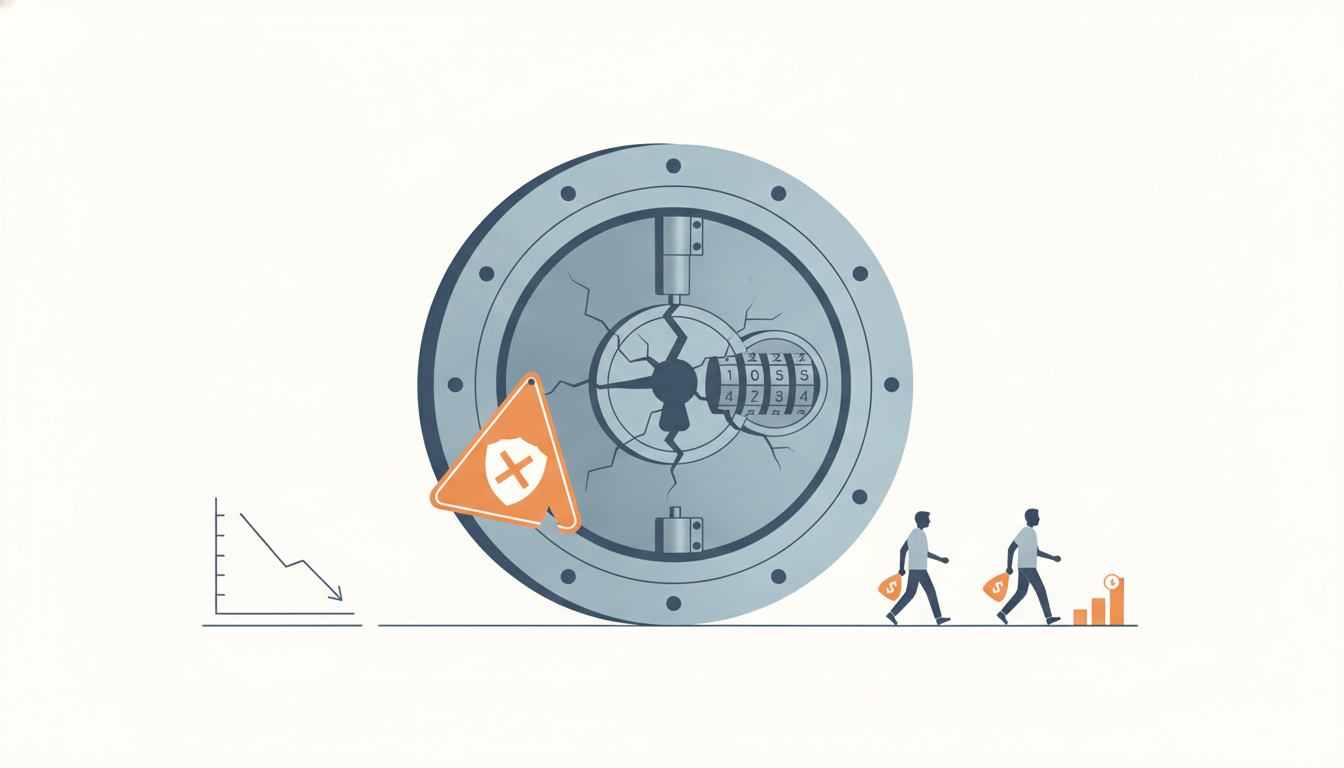
The phrase “retired wallet” sounds almost benign, like a folder moved to the archive. It isn’t. In exchange operations, wallet lifecycle management is one of the more technically demanding ongoing responsibilities. When a wallet is decommissioned, the keys need to be properly rotated, access needs to be revoked, and any residual funds need to be swept or explicitly accounted for. A gap in any of those steps — and you have exactly what happened here.
CoinDesk’s coverage framed this as an internal process failure, which is the accurate description — and arguably the more damning one. External hacks are at least partly unpredictable. Internal process failures are, by definition, preventable. They happen when operational checklists aren’t enforced, when audit trails aren’t reviewed on schedule, or when institutional knowledge walks out the door with a departing engineer and nobody notices for months.
For exchanges operating at scale — CoinDCX handles a significant share of India’s regulated crypto volume — wallet management processes should be documented, audited externally on a rotating basis, and tested against exactly this kind of failure mode. Whether any of that was in place here, we don’t yet know. The exchange hasn’t gone into granular detail on the process breakdown, which is itself worth noting.
If you’re actively trading across multiple platforms, this is a good moment to review where your assets sit and whether the exchanges you use publish regular proof-of-reserves or third-party audits. A comparison of current exchange referral offers from major platforms often includes details on the security infrastructure and insurance coverage they advertise — worth cross-referencing against what you actually need from a custodian.
India’s Largest Exchange, a Regulatory Spotlight, and Bad Timing
CoinDCX carries the weight of being India’s most prominent regulated crypto exchange. That status comes with a visibility premium when something goes wrong. India’s crypto regulatory environment has been one of the more cautious globally — high transaction taxes, banking friction, ongoing policy debates — and exchanges operating there have had to maintain a careful posture to stay in good standing with regulators.
A $16 million internal process failure, disclosed days after the CEO publicly called the reports a false alarm, is not the kind of news cycle you want when you’re trying to build institutional trust. It hands skeptics exactly the ammunition they want, and it gives regulators a data point they’ll remember the next time industry players argue they can self-govern effectively.

The irony is that absorbing the loss — rather than socializing it to users — is genuinely the right move, and CoinDCX deserves credit for it. But it gets partially buried under the credibility gap created by the initial public dismissal. If Gupta had said “we’re investigating and will update shortly” rather than signaling a false alarm, the eventual disclosure would have landed very differently. Communications discipline in a crisis isn’t just PR management — it’s a direct input into how much trust you retain afterward.
The Transparency Test This Incident Actually Poses
What CoinDCX has not yet provided — and what the crypto press should keep pressing for — is a specific post-mortem. Which process failed? Who owned that process? Has it been corrected, and how? What third-party verification exists that the fix is real?
This matters because the amount, $16 million, suggests this wasn’t a trivial wallet. Something sat in a retired wallet long enough, and with enough value, to create eight figures of exposure. That doesn’t happen from a single point of negligence — it usually implies several layers of oversight didn’t catch it. Understanding those layers is how the industry learns anything from this.
Exchanges that handle this kind of disclosure well — detailed, specific, with concrete remediation steps — tend to recover user trust faster than those that offer reassurance without substance. The current disclosure sits closer to the reassurance end of that spectrum. That may change with follow-up communications, but right now there’s a transparency gap.
For broader coverage of how incidents like this develop across the exchange landscape, the crypto news and analysis hub tracks ongoing exchange developments worth following if you’re actively managing exposure across platforms.
My Take: This Is a Risk Management Story, Not Just a CoinDCX Story
I’ve watched enough exchange blow-ups over two decades to know that the ones that don’t kill you often teach you nothing — because the narrative gets managed quickly and the industry moves on. This incident is small enough to survive but specific enough to learn from, and that’s actually the rarer scenario.
The honest trader’s read here: CoinDCX is probably fine. The $16 million hit is manageable, customer funds are intact, and the exchange isn’t showing signs of systemic stress. But the communication failure is real, and it reveals something about how the organization handles ambiguity under pressure. That’s worth tracking going forward — not as a reason to panic-exit the platform, but as a data point about institutional maturity.
What I’d actually watch: whether CoinDCX releases a detailed incident report in the next few weeks, and whether that report includes third-party verification of the remediation. If it does, this becomes a case study in recovery. If the exchange goes quiet and moves on to the next news cycle, that tells you something too. In this industry, silence after an incident is its own kind of signal — and usually not the good kind.
Popular Exchange Referral Codes
- Bybit Referral Code 2026: Get 20% Fee Discount for 90 Days with Code 19670
- Bitget Referral Code 2026: Get 20% Trading Fee Discount with Code t4685009
- OKX Referral Code 2026: Get 20% Trading Fee Discount with Code 64912533
- HTX Referral Code 2026: Get 20% Trading Fee Discount with iddq7223
- Gate.io Referral Code 2026: Get a 20% Trading Fee Discount with Code NZRAPCBW


