
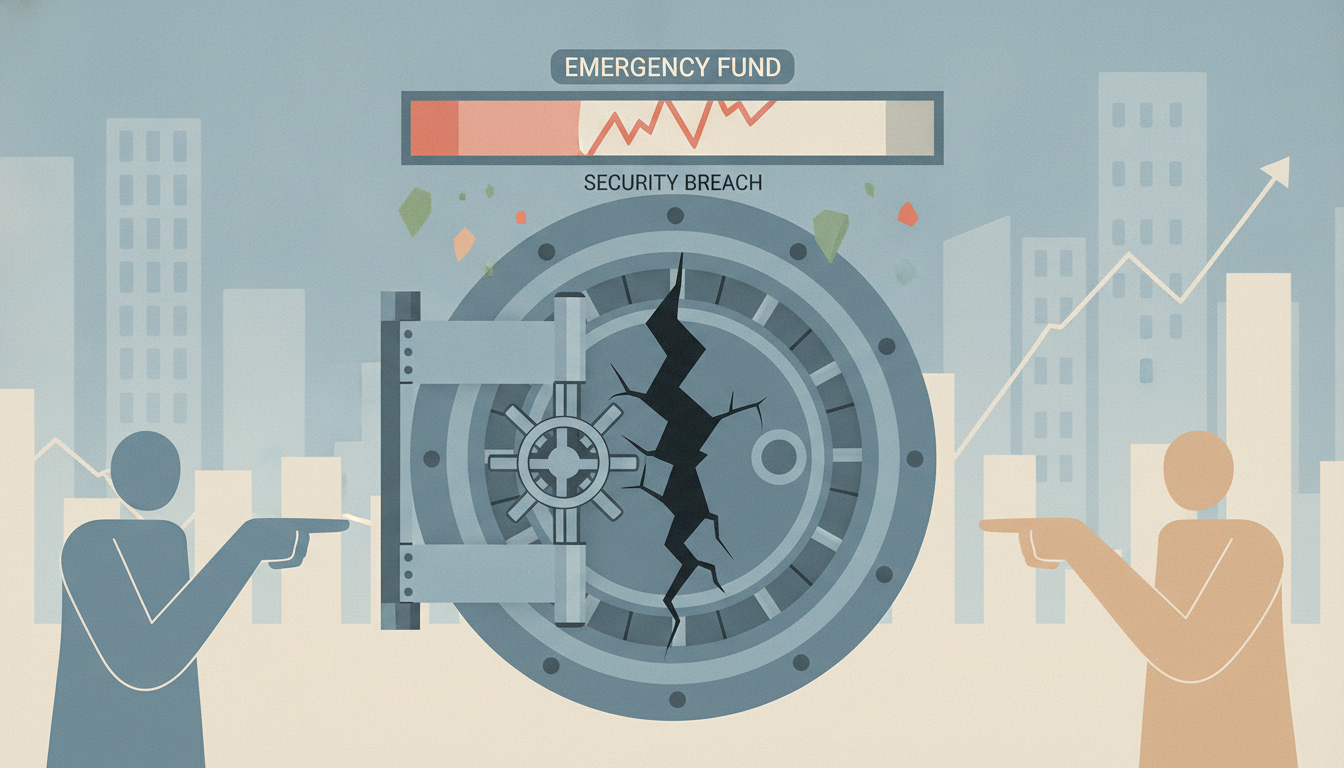
The Binance $6.3 billion hack is shaping up to be the most consequential security event in crypto exchange history — and three days in, nearly every actor involved is pointing fingers at someone else. North Korea says it wasn’t them. The FBI says it was. Binance has quietly burned through half its emergency reserve fund. And the hackers, whoever they are, were creating a new wallet every 25 seconds at peak laundering velocity.
Let’s cut through the noise.
The FBI’s Case Against TraderTraitor — and Pyongyang’s Flat Denial
The FBI moved quickly to attribute the breach to TraderTraitor, the North Korean state-linked hacking collective responsible for a string of nine-figure crypto thefts going back years. The attribution followed blockchain forensics that traced fund movements across thousands of wallets in patterns consistent with previous DPRK operations. But Pyongyang had a ready answer: Kim Yo Jong, the regime’s most visible spokesperson and Kim Jong Un’s sister, publicly called the US allegations politically motivated — a denial reported across multiple outlets including The Block.
This denial is worth exactly as much as you’d expect — which is nothing. North Korea denied the Ronin Bridge hack, the Harmony hack, and the Bybit hack. The denial playbook never changes. What is different here is the scale of the recovery effort running in parallel. According to Decrypt, roughly $2.85 billion of the $6.43 billion stolen has already been frozen or seized — a recovery rate that dwarfs the roughly 3% clawed back after the Bybit breach. That’s either a sign that global coordination has dramatically improved, or that the hackers moved sloppily. Possibly both.
The laundering method itself drew significant attention. Initial reports speculated that AI-driven automation was orchestrating the wallet-splitting frenzy, but CoinDesk found no concrete evidence of AI involvement — the 12,000-wallet spread appears to be scripted automation, not machine learning. A meaningful distinction: scripted laundering is detectable and blockable in ways that adaptive AI-driven obfuscation would not be. That may partly explain the unusually high seizure rate.
The SAFU Fund Is Half Empty — With No Replenishment Timeline
While the attribution debate plays out diplomatically, Binance is dealing with a more immediate problem: its Secure Asset Fund for Users has taken a serious hit. On-chain data shows the SAFU Bitcoin wallet now holds roughly 7,500 BTC after a 7,499 BTC transfer linked to the recovery effort, meaning Binance has deployed approximately $580 million worth of its emergency reserve — about half the fund’s total value — according to CoinDesk’s on-chain analysis.
Cointelegraph confirmed there is currently no timeline for restoring the fund to its $1 billion target. That should make any serious Binance user uncomfortable. The SAFU exists precisely for catastrophic events — and the first truly catastrophic event has cut it in half. If a second major incident followed in the next six to twelve months, the fund’s remaining capacity would be tested severely.
To Binance’s credit, they released a full zero-knowledge proof-of-reserves snapshot — users can now independently verify 1:1 backing for BTC, ETH, BNB, SOL, XRP and more. The Block reported that replenishment currently sits at roughly 95% of assets lost. That’s meaningful transparency, and it’s more than most exchanges would offer under this kind of pressure. But a proof-of-reserves snapshot and a healthy emergency fund are two different things, and conflating them would be a mistake.
The Withdrawal Crisis: $3.6 Billion Out the Door in Under Ten Hours
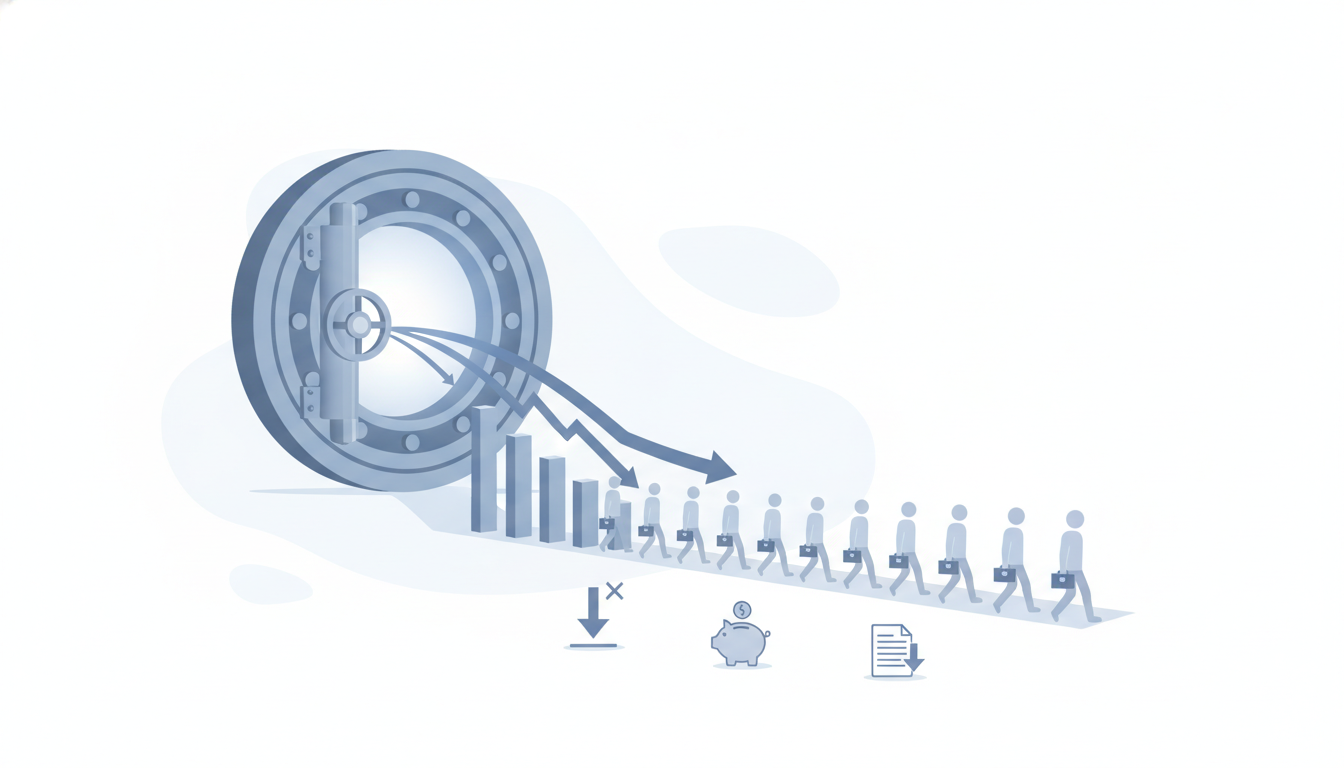
When Binance reopened withdrawals — initially in a phased approach starting Sunday, then expanding to a second phase from 04:00 UTC Tuesday as security checks cleared, per Cointelegraph — the market gave its verdict immediately. Decrypt reported $3.64 billion in net outflows in the first nine and a half hours alone, representing roughly 2.1% of Binance’s total assets under custody.
Bitcoin slid to $77,900 on the news before retreating further, per CoinDesk. At time of writing it sits at $76,925, down another 1.49% on the day. SOL is taking a harder hit at -2.44%, which tracks — Cointelegraph noted that hackers began swapping stolen Solana tokens for Bitcoin via Chainalysis-tracked flows, adding sell-side pressure on SOL specifically. Gate.io froze two linked accounts, and US investigators have urged all platforms to block transactions tied to the theft.
October was supposed to be Uptober. Instead, as Decrypt observed, it ended with one of the worst exchange hacks in history hanging over the market heading into November.
Binance’s Second Warning: Scammers Are Already Circling
Amid all of this, Binance co-founder Yi He issued a direct user warning: ‘Please be aware of new scam patterns emerging amid the chaos,’ she said. CryptoSlate flagged this as a formal second-wave alert — phishing operations, fake recovery services, and impersonation scams tend to spike in the aftermath of high-profile exchange incidents. This is a predictable playbook, but plenty of retail users get caught by it every single time.
If you’re holding assets on any major exchange right now, this is a good moment to double-check that your 2FA isn’t SMS-based, that you’re not clicking any ‘recovery’ links from Telegram, and that you know which wallet addresses you actually own. The chaos after a hack like this is a hunting ground, and the predators move fast. For a broader look at how different exchanges handle security and user incentives, our exchange referral and fee discount hub includes updated notes on platform security features alongside signup bonuses.
My Read: This Changes the Exchange Landscape, Permanently
Here’s where I land after watching this unfold: the $2.85 billion seizure figure is genuinely impressive, and the proof-of-reserves move was the right call. But Binance spent a decade telling users the SAFU was their insurance policy, and that policy just got cut in half during the first real test. That’s not a minor footnote.
The DPRK denial is theater — we’ve seen this script before, and TraderTraitor’s fingerprints are documented across years of blockchain forensics. What concerns me more is the structural question this hack raises: if the largest exchange in the world, with the deepest pockets and the most sophisticated security team, can lose $6.3 billion in a single breach, the industry’s self-custody conversation needs to restart at full volume. Hardware wallets aren’t sexy. They’re also the only thing that wouldn’t have been touched here.
For active traders who genuinely need exchange liquidity, diversifying custody across two or three platforms rather than concentrating on one is no longer optional risk management — it’s table stakes. Keep enough on-exchange to trade. Move the rest. And keep an eye on whether Binance rebuilds that SAFU balance before the next cycle peak, because right now that safety net has a hole in it. You can follow ongoing developments in the crypto news and market insights hub as this situation continues to evolve.
Popular Exchange Referral Codes
- Bybit Referral Code 2026: Get 20% Fee Discount for 90 Days with Code 19670
- Bitget Referral Code 2026: Get 20% Trading Fee Discount with Code t4685009
- OKX Referral Code 2026: Get 20% Trading Fee Discount with Code 64912533
- HTX Referral Code 2026: Get 20% Trading Fee Discount with iddq7223
- Gate.io Referral Code 2026: Get a 20% Trading Fee Discount with Code NZRAPCBW
