
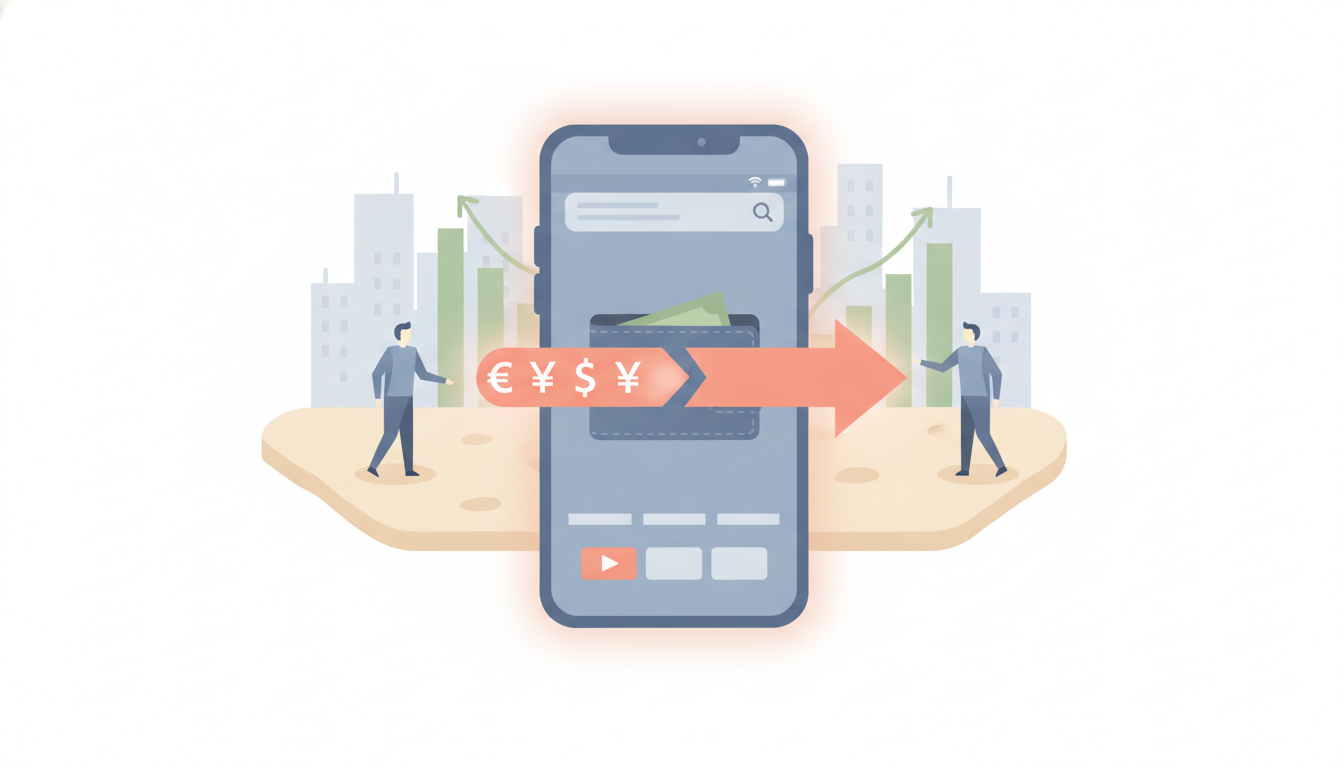
Samsung integrates USDC on Solana into its Galaxy Wallet — and if you’ve been waiting for a real-world stablecoin use case that isn’t a whitepaper promise, this might actually be it. Starting in late October, eligible US-based Galaxy users will be able to send USDC across borders and cash out into bank accounts in more than 60 countries, according to Cointelegraph. That’s not a DeFi app. That’s not a browser extension. That’s a feature baked into a phone that 82 million Americans already carry.
What Samsung Actually Built — and Why the Execution Details Matter
The devil, as always, is in how something is built. What makes this announcement genuinely interesting isn’t the USDC part — stablecoins on phones have been promised a dozen times. It’s the architecture. The Block specifically noted that Samsung embedded this directly into Samsung Wallet, complete with fiat on- and off-ramps, rather than shipping a separate crypto app users would have to discover, download, and trust. That distinction matters enormously. Separate apps get uninstalled. Wallet integrations get used at checkout.
Solana is the rails here, and it’s not a surprising choice. Low fees and fast finality make it the obvious infrastructure for high-volume remittance flows where $3 gas would kill the product immediately. CoinDesk framed this as Samsung overhauling cross-border remittances wholesale — which is the kind of language press releases love, but in this case the underlying mechanics actually support the ambition. USDC settles in seconds on Solana. Traditional wire transfers settle in days. That gap is where the product lives.
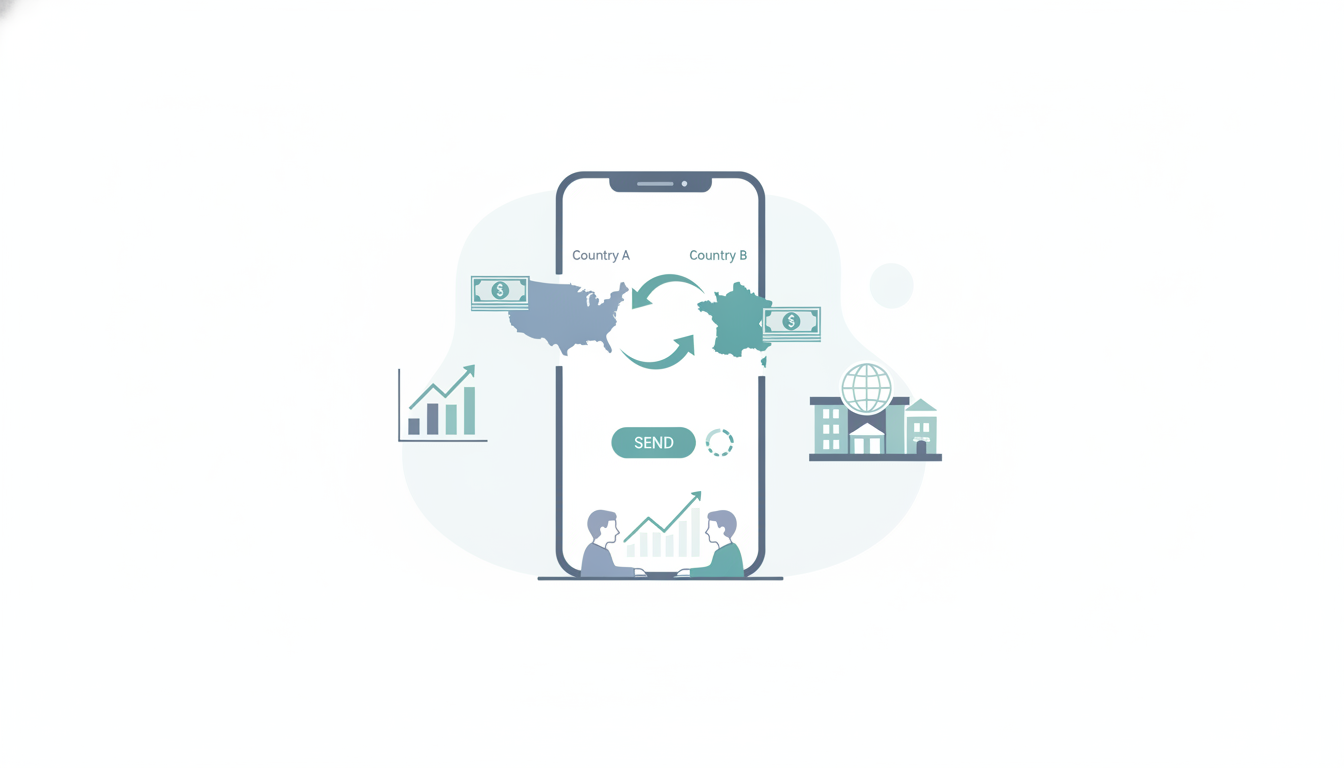
Three Months of Teasing, One Blockchain Named
Here’s something that got buried in most coverage: Samsung had already teased stablecoin support earlier this year — just without naming which blockchain they’d use. Decrypt reported that the Solana confirmation came roughly three months after that initial tease, which tells you something about how carefully this was scoped. Samsung didn’t pick a chain first and build around it. They figured out the product, then named the infrastructure. That sequencing is actually more mature than most crypto partnerships, where the blockchain gets announced in week one and the use case gets invented afterward.
Whether Solana holds up as the permanent rail is a separate question. The network has had its outage moments, and a remittance product failing mid-transfer for a non-technical Galaxy user is a brutal first impression for the whole category. But for a launch window, Solana’s current throughput and USDC’s Circle backing make it a defensible choice.
82 Million Users Is a Distribution Number, Not a Conversion Number
Let’s be direct about something the headlines tend to obscure: 82 million Galaxy users in the US does not mean 82 million USDC remittance users. It means 82 million people who could access this without downloading anything new. That’s a meaningful distinction, but it’s still a long road from potential addressable market to activated user. Crypto features embedded in mainstream apps have historically underperformed their headlines — Samsung Pay’s earlier crypto integrations didn’t set the world on fire, and Apple’s Wallet has flirted with the space for years without transforming retail behavior.
That said, remittances are a different animal from speculative trading. The person sending $200 a month to family in the Philippines or Mexico isn’t looking for yield. They’re looking for something cheaper and faster than Western Union, and they already have the phone. The friction reduction here is genuinely structural. If Samsung handles the compliance layer and Circle handles the dollar peg, the user just sees a transfer that works. That’s a real product.

The Solana Price Story Is a Sideshow — For Now
SOL is sitting at $115.01 at the time of writing, down about 2.6% on the day, which tracks with broader market softness rather than any reaction to this news. BTC and ETH are also lower. I’d normally skip the price paragraph entirely for a partnerships story, but this one’s worth flagging briefly: a Samsung-scale remittance integration that actually gets traction would represent sustained, structural buy pressure on SOL in the form of gas fees and ecosystem activity — not speculative volume. If even 1% of Galaxy users run a transaction per month, you’re talking meaningful Solana network activity. The price chart today is noise. The medium-term implication isn’t.
If you’re trading around crypto infrastructure news, this is the kind of announcement worth tracking in your thesis folder rather than your trade queue. For anyone actively managing positions across exchanges, checking current exchange referral offers for SOL pairs might be worth the ten minutes right now — fee discounts add up when you’re sizing in over weeks.
My Read on This — and the Risk Nobody’s Talking About
The honest take: this is the most credible mass-market crypto integration announcement I’ve seen in at least two years, and I’m saying that as someone who has watched a lot of these fizzle. The Samsung Wallet delivery mechanism is the key variable. Embedding into an existing trusted app removes the single biggest barrier to stablecoin adoption — the scary wallet setup experience — and routing through Solana keeps costs low enough that the value proposition survives contact with reality.
The risk I’d flag that almost nobody is discussing: regulatory. Sixty-plus countries means sixty-plus compliance regimes, AML frameworks, and potential chokepoints. The feature going live in the US in October is step one. Whether it scales globally without hitting a licensing wall in a key remittance corridor — Southeast Asia, Latin America, West Africa — is the real question. One regulatory block in a major corridor could kneecap the whole narrative. Watch Circle’s licensing disclosures and Samsung’s rollout cadence in Q1 2027 more than anything else.
For the broader Solana thesis and what this means for the ecosystem’s competitive position, our crypto market news hub has ongoing coverage worth bookmarking. This story isn’t done — it’s just getting started.
Popular Exchange Referral Codes
- Bybit Referral Code 2026: Get 20% Fee Discount for 90 Days with Code 19670
- Bitget Referral Code 2026: Get 20% Trading Fee Discount with Code t4685009
- OKX Referral Code 2026: Get 20% Trading Fee Discount with Code 64912533
- HTX Referral Code 2026: Get 20% Trading Fee Discount with iddq7223
- Gate.io Referral Code 2026: Get a 20% Trading Fee Discount with Code NZRAPCBW
